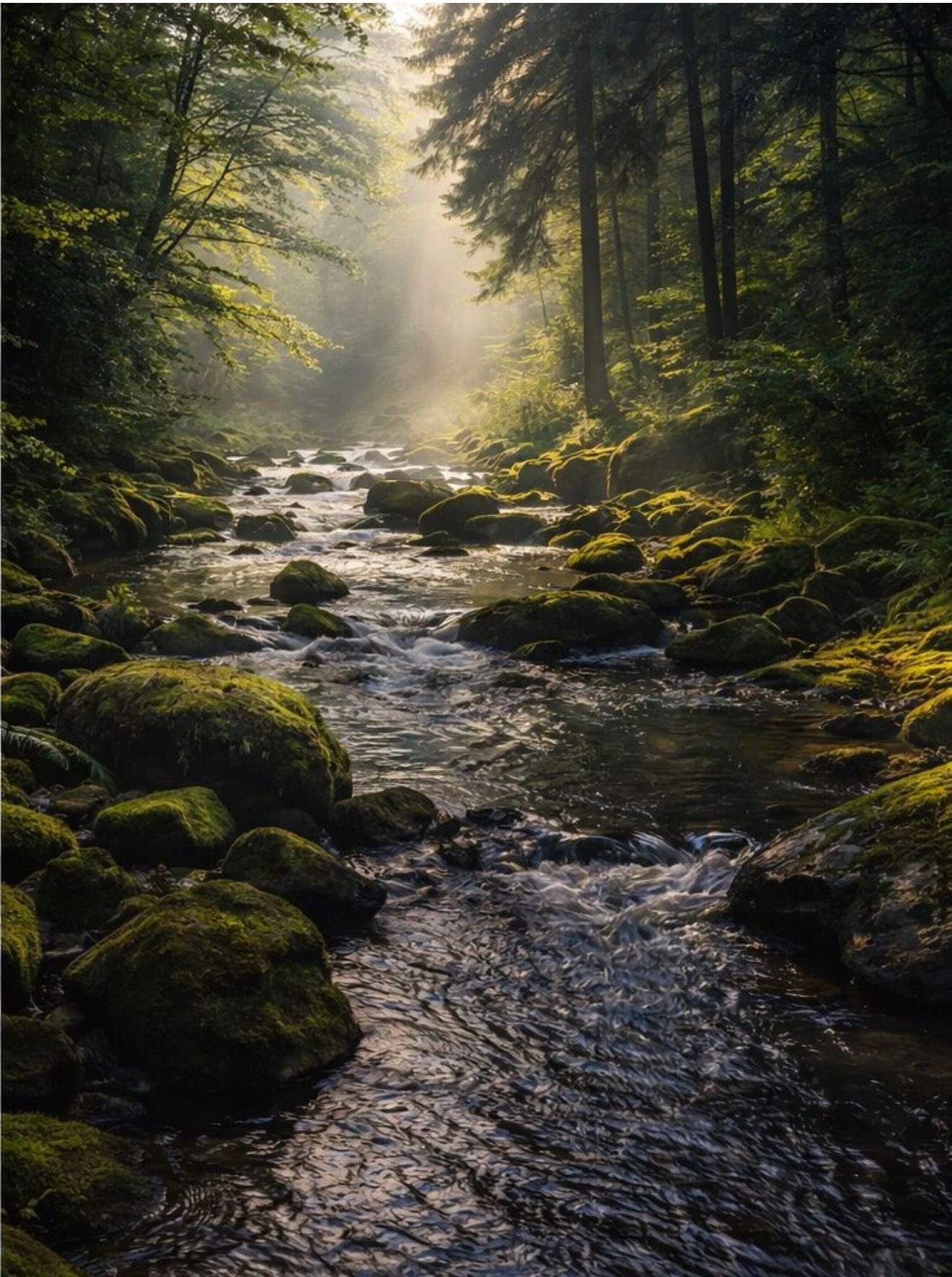
Vosges–Palatinate Forest Biosphere Reserve
UNESCO Transboundary Biosphere Area
Explore the Biosphere Reserve
Research and Education
Explore scientific research, monitoring systems and educational programs.
The Vosges–Palatinate Forest Biosphere Reserve is a transboundary protected landscape located along the border between northeastern France and southwestern Germany.
Recognized by UNESCO as part of the Man and the Biosphere Programme, the reserve represents one of the largest continuous forest regions in Western Europe. It serves as a model for cross-border environmental cooperation, ecological connectivity, and sustainable regional development.
Spanning more than 3,100 square kilometers, the reserve connects the Palatinate Forest in Germany with the Northern Vosges in France, forming a shared ecological system that extends beyond national boundaries.
Learn more about the geography, governance, and zoning framework of the reserve on the About page.
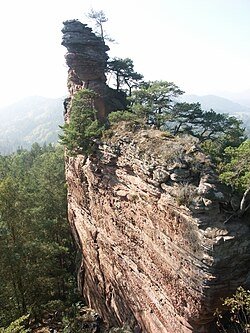
A Shared Ecological Landscape
The biosphere reserve is characterized by extensive sandstone formations, rolling forested hills, and deeply structured valleys. Large, uninterrupted forest areas provide habitat for diverse plant and animal communities.
The cross-border structure of the region enables ecological continuity and long-term environmental resilience.
Cross-Border Cooperation
The reserve operates through coordinated French and German governance frameworks. Joint planning mechanisms and shared management objectives ensure that conservation strategies remain aligned across the international border.
While each country maintains its own legal and administrative systems, structured coordination enables the harmonization of zoning policies, habitat protection measures, and sustainable land-use practices throughout the biosphere reserve. This alignment supports ecological continuity across landscapes that naturally extend beyond political boundaries.
Further information on governance structures and cooperative frameworks is available on the Cross-Border Cooperation page.
Nature, Landscape, and Biodiversity
The reserve is characterized by extensive forest landscapes, diverse habitats, and a high level of biodiversity. It provides a safe environment for numerous plant and animal species, many of which depend on large, continuous natural areas. The preservation of these ecosystems contributes to climate resilience, water regulation, and the long-term health of the region’s natural environment.
As a UNESCO biosphere reserve, the region functions as a living model of sustainability, where conservation, regional development, and education are integrated within a structured framework. Rather than existing as a strictly protected wilderness, it represents a landscape where ecological integrity and human activity are carefully balanced.
Education and Cultural Heritage
Education plays a central role within the biosphere reserve. Through information programs, guided activities, and cooperation with local communities and schools, awareness is strengthened around biodiversity, sustainable land use, and responsible resource management.
At the same time, the region’s cultural heritage — shaped by centuries of interaction between people and landscape — remains an essential component of the reserve’s identity. Traditional land-use practices, architectural heritage, and regional knowledge continue to inform contemporary conservation strategies.
Further information on scientific research and educational initiatives can be found on the Research & Education page.
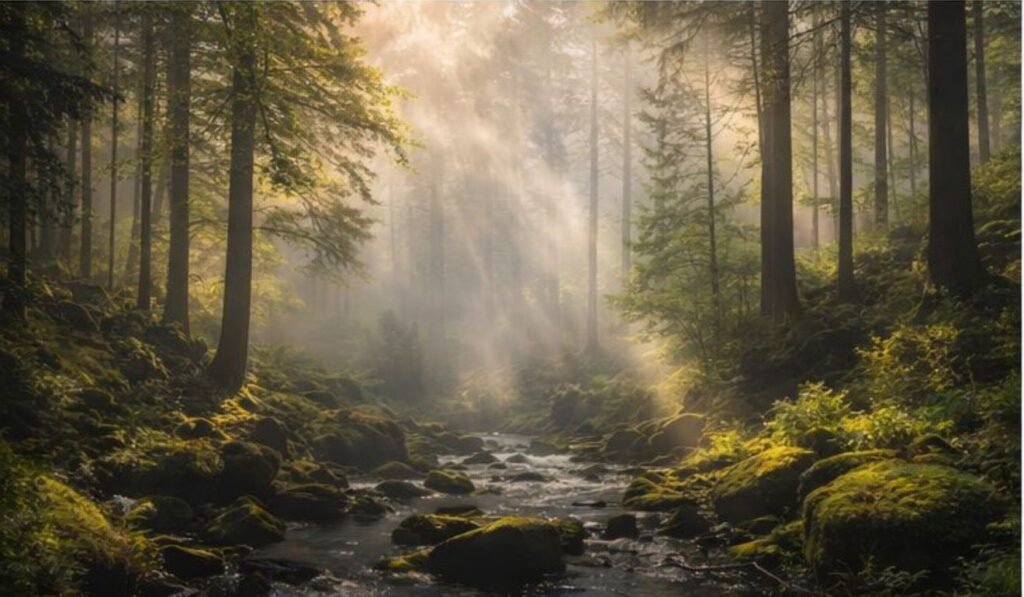
Governance, Research and Education Framework
The Vosges–Pfälzerwald Biosphere Reserve operates within an integrated framework combining scientific research, environmental education, and sustainable governance.
To explore these core themes in more detail:
- Environmental Research
- Environmental Education and Public Awareness
- Conservation and Sustainable Governance
Frequently Asked Questions Regarding Biosphere Reserves
Below are answers to common questions about biosphere reserves and cross-border cooperation.
Q1. What is a transboundary biosphere reserve?
A transboundary biosphere reserve is a protected area that spans national borders and is jointly managed by neighboring countries to promote conservation, sustainable development, and cooperation.
Q2. Why is international cooperation important in biosphere reserves?
Natural ecosystems often cross political borders. Cooperation allows countries to manage landscapes, biodiversity, and cultural heritage in a coordinated and sustainable way.
Q3. What role does UNESCO play?
UNESCO designates biosphere reserves as part of the Man and the Biosphere Programme, supporting research, education, and long-term environmental stewardship.
Q4. How do local communities benefit from biosphere reserves?
Local communities play a key role in conservation efforts and benefit through sustainable land use, education, and cultural preservation.
Q5. Is a biosphere reserve a strictly protected area?
No. Biosphere reserves combine conservation with sustainable economic and social development, allowing people and nature to coexi